

Fall Exterior Painting Season Has Arrived: Why September Is Prime Time
September is one of the best months of the entire year to paint the outside of your home in North Texas. The brutal summer heat finally starts to break, and paint can cure the way manufacturers intended. Homeowners across Plano, Richardson, and Allen start booking exterior painting projects the moment temperatures drop below triple digits. There is a good reason for that rush; fall weather creates ideal conditions for adhesion, drying, and long term durability. Waiting until winter brings cold snaps that can ruin a fresh coat before it ever sets. Painting in September gives your siding, trim, and fascia a protective shell before freezing temperatures and winter moisture arrive. This post explains why September is prime time for exterior painting and how to prepare your home for the season. If you want your house protected and looking sharp before the holidays, now is the time to plan.
Why September Is the Best Month for Exterior Painting in Texas
Exterior paint is chemistry, and chemistry depends on weather. Most acrylic latex paints cure best between 50 and 85 degrees with moderate humidity, and September in the Dallas area delivers exactly that window. July and August surface temperatures on siding can exceed 140 degrees, which flashes paint dry before it bonds. Winter brings overnight freezes that stop curing altogether. September sits in the sweet spot between those two extremes. Days are warm enough for fast drying, and nights stay mild enough for the film to harden correctly. That balance is why professional painters consider early fall the prime exterior painting season in Texas. Homeowners who paint in September get a finish that lasts years longer than one applied in extreme conditions.
September Weather Conditions Perfect for Exterior Painting
Average September highs in Plano hover in the upper 80s early in the month and drop into the low 80s by the end. Those numbers matter because paint applied to scorching hot siding skins over on the surface while staying wet underneath. That trapped moisture leads to blistering, bubbling, and premature peeling within a year or two. September temperatures let each coat dry evenly from the inside out. Rainfall also tends to be lower in early fall than in spring, which means fewer washed out project days. Painters can work full days without racing afternoon thunderstorms or morning dew that lingers until noon. Wind speeds calm down as well, so overspray control and clean lines become much easier. All of these conditions combine to make September the most reliable exterior painting month on the Texas calendar.
Sunlight angle changes in September too, and that helps more than most homeowners realize. Summer sun beats directly on south and west facing walls, heating them far beyond air temperature. Painting those walls in July often means the paint dries faster than a brush can level it, leaving lap marks and streaks. By September, the sun sits lower and the intensity drops noticeably. Crews can follow the shade around the house and apply paint at consistent surface temperatures. Consistent application temperature means consistent sheen, color, and film thickness across every wall. The finished house looks uniform from every angle instead of showing patchy sections. That level of quality is nearly impossible to achieve during peak summer heat.
Humidity is the third piece of the September weather advantage. Gulf moisture that smothers North Texas in June begins to retreat as fall fronts push through. Lower humidity lets water based paints release moisture at the proper rate. Paint that dries too slowly in humid air can sag, attract dust, or develop surfactant leaching that leaves brown streaks on the surface. Paint that releases moisture on schedule forms a tight, durable film. Caulk and primer also cure faster and stronger in drier fall air. Every layer of the system performs better, from the first bead of caulk to the final topcoat. September simply stacks the deck in favor of a long lasting result.
How Fall Temperatures Help Exterior Paint Cure Properly
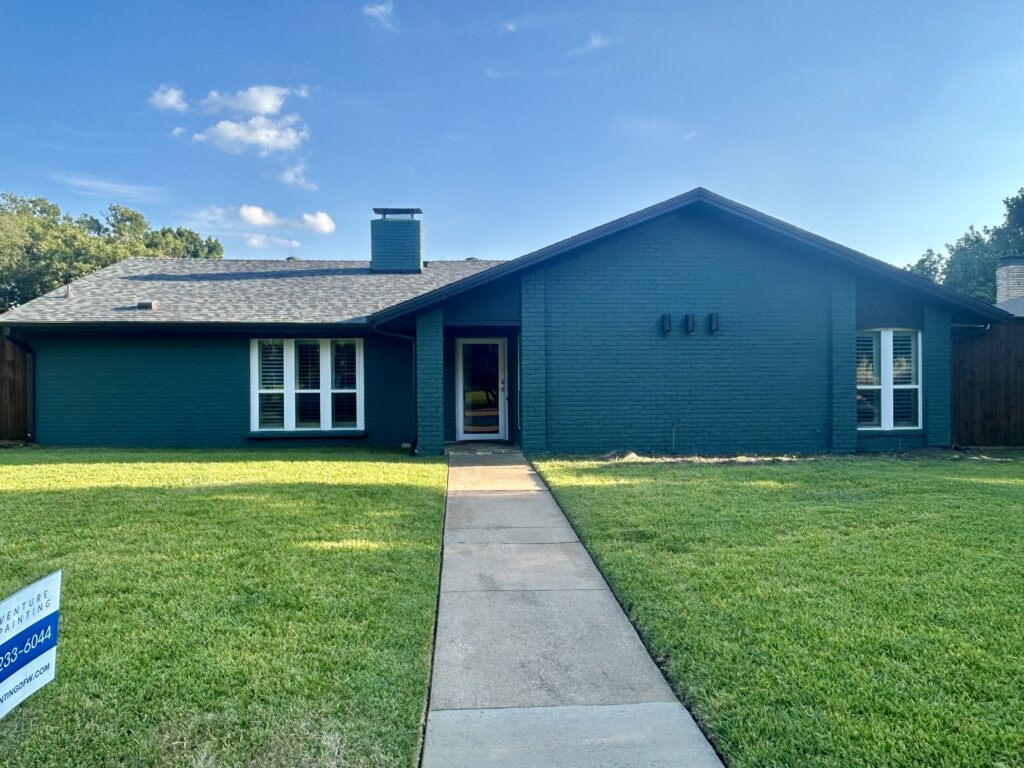
Drying and curing are two different processes, and fall temperatures help both. Drying happens within hours as water evaporates from the paint film. Curing takes weeks as the acrylic resins cross link and harden into a protective shell. Full cure for most exterior paints takes 14 to 30 days depending on conditions. A September project gives that curing process weeks of mild weather before the first hard freeze arrives. Paint that fully cures before winter resists ice, sleet, and freeze thaw cycles far better than paint still soft when cold hits. That head start is the hidden reason fall exterior painting outlasts winter or late season work. Timing the project right protects your investment for a decade or more.
Nighttime temperatures matter just as much as daytime highs during the curing window. Paint applied on a warm afternoon can fail if the temperature crashes below 35 degrees that night. Cold interrupts the coalescing process and leaves a weak, chalky film that peels early. September nights in Collin County rarely dip below 60 degrees, so curing continues around the clock. Every hour of mild temperature adds strength to the paint film. By the time October cold fronts arrive, a September paint job has already reached most of its full hardness. Homeowners who wait until November gamble with every overnight forecast. Professional crews know this, which is why the best painters book solid through early fall.
Temperature stability also protects the substrate itself, not just the paint. Wood siding expands in heat and contracts in cold, and extreme swings stress fresh paint before it can flex. September brings smaller daily temperature swings than midsummer or midwinter. Caulk joints stay put, wood stays dimensionally stable, and the new paint film bonds without fighting constant movement. That stability is especially important on older Plano homes with original wood trim and fascia. Hardie board and other fiber cement products benefit too, since their factory finishes accept new coatings best in moderate conditions. Every material on the exterior of your home performs better in fall. Curing paint on a stable surface is the foundation of a finish that lasts.
Lower Humidity Makes September Exterior Painting Easier
Humidity affects every single step of an exterior painting project, starting with surface prep. Power washed siding needs to dry completely before primer touches it, and that can take two or three days in humid June air. In dry September conditions, washed surfaces are often ready within 24 hours. Faster drying means tighter project schedules and less time with your home mid project. Scraped and sanded wood also stays dry longer, so bare spots do not absorb moisture before priming. Moisture trapped under primer is the number one cause of peeling on wood siding. Fall air removes that risk almost entirely. Prep work done in September sets up the entire paint system for success.
Lower humidity improves application quality in ways homeowners can see immediately. Brush and roller work levels out smoothly instead of dragging or sagging. Sprayed finishes atomize cleanly and land on the surface at the right wetness. Recoat windows shorten, so crews can apply a second coat the same day without compromising adhesion. That efficiency means a typical two story home can be completed in fewer days with better results. Dust and pollen counts also drop in early fall compared to spring, so fewer particles land in wet paint. The final finish looks cleaner and smoother under close inspection. Small advantages like these add up to a noticeably better paint job.
Dry fall air benefits the products themselves, not just the process. Caulking cures firm and flexible instead of skinning over slowly in muggy conditions. Oil based primers, still the gold standard for tannin blocking on cedar and redwood, dry on schedule instead of staying tacky for days. Stains for fences and decks penetrate evenly into dry wood rather than sitting on top of damp fibers. If your fence needs attention this fall too, click here for our fence staining service. Every coating in the exterior system reaches its full rated performance when applied in proper conditions. September humidity levels in North Texas hit that target more consistently than any other month. Easier application and stronger products make fall the clear winner for exterior work.
How to Prepare Your Home for Fall Exterior Painting
Great exterior paint jobs are won or lost in the preparation stage. Paint is only as strong as the surface underneath it, and Texas summers leave plenty of damage behind. Sun baked caulk, cracked trim, chalky siding, and mildew all need attention before the first coat goes on. September is the perfect time to walk your property and document every problem area. A thorough inspection now means an accurate estimate and no surprises once work begins. Professional crews handle this prep as part of the project, but informed homeowners get better results and better value. The sections below cover the three most important preparation steps for fall exterior painting. Follow them and your new finish will last well beyond the ten year mark.
Inspecting Siding and Trim Before Fall Exterior Painting
Start your inspection at ground level and work your way around the entire house slowly. Look for peeling, cracking, or bubbling paint on every wall, paying extra attention to south and west exposures. Those walls take the most sun in Texas and fail first. Press a fingertip against suspect wood trim; soft or spongy spots signal rot that must be replaced before painting. Check window sills, door frames, and fascia boards where water collects and sits. Gaps in caulk around windows and doors let moisture behind the paint film and into the wall cavity. Note every crack wider than a hairline, because caulk and paint alone cannot bridge structural gaps. A detailed list of problem areas helps your painter quote the job accurately.
Siding material determines what problems to look for during the inspection. Wood siding shows peeling, splitting, and raised grain after years of sun exposure. Fiber cement products like Hardie board develop chalking and faded color but rarely peel when installed correctly. Brick homes need attention at the mortar joints and painted lintels above windows. Stucco can develop hairline cracks that telegraph through new paint without proper patching compound. Each material requires a specific prep approach and often a specific primer. Using the wrong products on the wrong surface is a common DIY failure. An experienced exterior painter identifies your siding type and builds the right coating system for it.
Do not skip the areas most homeowners never look at during a walkaround. Check behind shrubs and landscaping where moisture stays trapped against the siding. Inspect the underside of eaves and soffits for peeling caused by attic moisture escaping. Look at garage door trim, shutters, and gutters, since these details show wear before the main walls do. Examine any drywall damage inside garages or covered patios while you are at it. Cracked or water stained surfaces should be repaired before painting; click here for our drywall repair service. Photograph everything you find so nothing gets missed during the estimate. A complete inspection is the roadmap for a complete paint job.
Power Washing and Surface Prep for Fall Exterior Painting
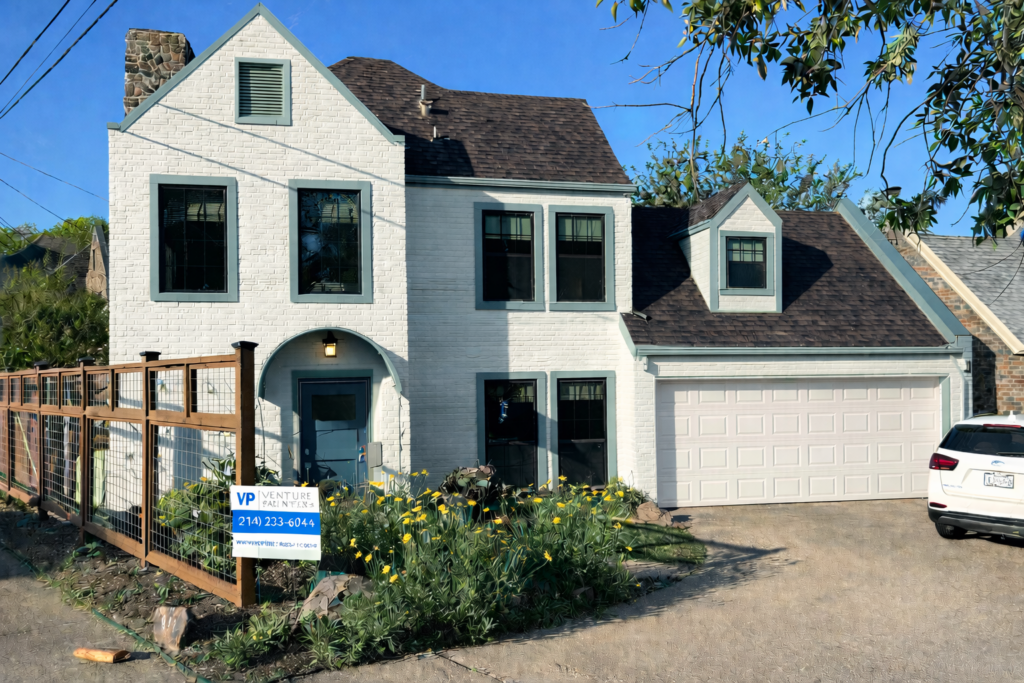
Washing the exterior is the mandatory first step of every quality paint project. Texas homes collect a full summer of dust, pollen, mildew, and chalked paint residue by September. Paint applied over that layer bonds to the dirt instead of the siding, and it peels within a year. Professional crews use pressure washers with the correct PSI for each surface, typically 1500 to 2500 for siding. Too much pressure gouges wood and forces water behind boards, so technique matters as much as equipment. Mildew areas get treated with a cleaning solution that kills spores rather than just blasting them off. North facing walls in shaded Plano neighborhoods almost always need this treatment. A clean, dry surface is the single biggest predictor of paint longevity.
Scraping and sanding come next, and this stage separates professionals from shortcuts. Every area of loose or failing paint must be removed down to a sound edge. Feather sanding blends those edges so old paint lines do not show through the new finish. Glossy surfaces get scuff sanded to give the new coat something to grip. Bare wood exposed by scraping needs spot priming within days, before moisture or UV degrades the fibers. Homes built before 1978 require lead safe work practices during scraping, which is another reason to hire certified professionals. Rushing this stage guarantees visible flaws and early failure. Patient prep in September pays off every year the paint stays intact.
Caulking and patching finish the prep sequence before any topcoat is applied. Old, cracked caulk gets cut out completely rather than layered over. Fresh elastomeric caulk seals every gap around windows, doors, trim boards, and siding joints. Nail holes, wood checks, and small cracks get filled with exterior grade filler and sanded flush. Rotted trim sections are cut out and replaced with new wood or PVC. Spot primer then seals every repair, every bare spot, and every stain. Only after all of that does the house receive its two finish coats. This layered system is why professional exterior paint jobs last two to three times longer than rushed ones.
Choosing the Right Paint Colors for Fall Exterior Painting
Color selection deserves real thought because you will live with the choice for a decade. Start by looking at the fixed elements of your home that will not change. Roof color, brick tones, and stone accents all need to harmonize with the new paint. Warm gray, greige, and soft white body colors dominate North Texas neighborhoods right now for good reason; they complement the region’s common brick and stone palettes. Darker accent colors on shutters and front doors add curb appeal without overwhelming the house. Trim color should contrast enough to frame the architecture cleanly. Drive your own neighborhood and photograph combinations you like. Real houses in real light beat paint chips every time.
Texas sun changes how colors perform, so factor climate into every choice. Dark colors absorb heat and fade faster under intense UV exposure, especially deep blues and reds. Lighter colors reflect heat, fade more gracefully, and can even reduce cooling costs slightly. High quality 100 percent acrylic paints with UV resistant pigments hold their color years longer than budget lines. Fan decks show a tiny swatch, but large sample boards painted and moved around the house reveal the truth. View samples in morning light, afternoon sun, and evening shade before committing. A color that looks perfect at noon can turn muddy at dusk. Testing prevents expensive regret.
HOA requirements matter in many Plano, Murphy, and Allen communities, so check before you fall in love with a color. Most associations maintain approved palettes and require submission before work begins. Your painter can provide manufacturer color codes and drawdown samples for the approval packet. Sheen selection is the final decision, and it affects both looks and performance. Flat and low sheen finishes hide surface imperfections on siding, and satin or semi gloss on trim adds durability and definition. Front doors often get a gloss finish for a crisp, welcoming look. A professional color consultation ties all of these decisions together. The right combination makes your home the standout on the street.
Why You Need Professional Exterior Painting This September
September calendars fill fast because every experienced homeowner in North Texas knows this window. Professional exterior painting protects your largest investment before winter weather arrives. Paint is not just decoration; it is the primary moisture barrier standing between Texas storms and your wood, siding, and framing. Failed paint lets water in, and water damage costs many times more than a paint job. A professional crew delivers proper prep, premium products, and warranty backed workmanship that DIY weekends cannot match. Booking now secures your spot in the prime fall window before the schedule closes.
Protecting Your Home Before Winter With Professional Exterior Painting
Winter in North Texas is harder on homes than most people think. Ice storms, freeze thaw cycles, and cold rain attack every crack and gap in an aging paint film. Water that seeps into unsealed wood expands when it freezes, splitting boards and popping paint loose. One February ice event can turn minor peeling into major rot by spring. A fresh September paint job seals those vulnerabilities before the first freeze. Think of it as insurance applied with a brush and sprayer.
Professional exterior painting addresses the failure points homeowners miss. Crews seal the top edges of trim boards, the end grain of fascia cuts, and the joints where water infiltrates first. They caulk expansion gaps with products rated for movement rather than hardware store filler. Two full coats build the film thickness manufacturers require for their warranties. Thin, single coat jobs fail years early no matter how good the paint. Proper application is the difference between a five year finish and a fifteen year finish.
The financial math favors acting now instead of waiting until damage appears. Repainting a well maintained home costs a fraction of repainting one with widespread rot and repairs. Replaced fascia, new siding sections, and carpentry labor add thousands to a neglected project. Homes with fresh exterior paint also appraise higher and sell faster in the Plano market. Curb appeal drives buyer first impressions more than almost any other factor. September painting protects your equity while the weather still cooperates.
Booking Your September Exterior Painting Project Early
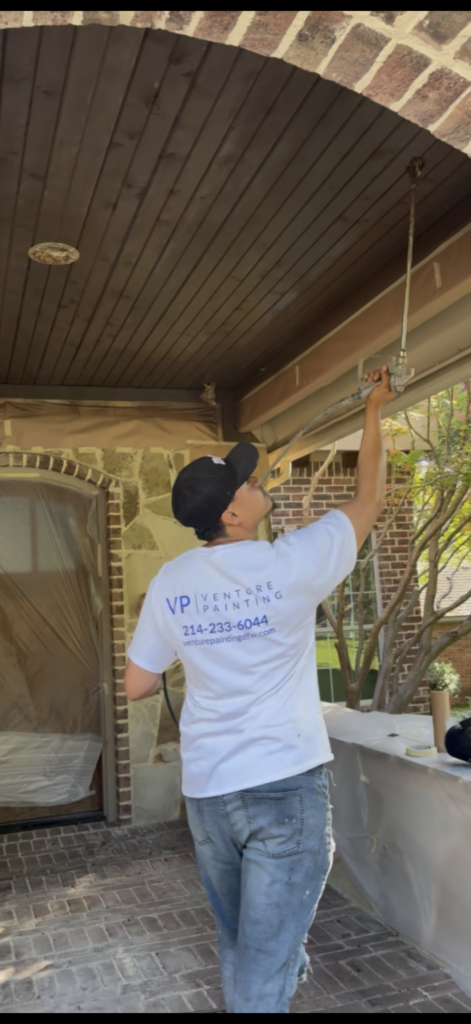
Quality painting companies in the Dallas area book their fall schedules weeks in advance. September and October are the busiest exterior months of the year for good reason. Homeowners who call in late October often get pushed to spring or handed to less experienced crews. Reaching out now guarantees your project lands inside the ideal weather window. Early booking also gives you time for color selection and HOA approval without rushing. The best results come from projects planned ahead, not squeezed in.
A professional estimate should be free, detailed, and written in plain language. It should list surface prep steps, the number of coats, the exact products, and the warranty terms. Vague one line bids hide corners that will get cut later. Venture Painting provides free estimates with clear, honest pricing on every project. You will know exactly what is included before any work begins. Ready to schedule your fall project? Click here for our exterior painting service.
Timing your estimate now keeps the whole process stress free. Most exterior projects on a typical home take three to five working days once started. Booking in early September means your home is sealed, cured, and beautiful before Halloween. You can host holiday gatherings with fresh curb appeal instead of scaffolding. Waiting until the last warm week of fall risks weather delays and rushed work. Smart homeowners get on the schedule while the calendar still has room.
Why Choose Venture Painting for Your Fall Exterior Painting
Venture Painting is a Plano based company serving Dallas, Richardson, Allen, Murphy, Sachse, Parker, and Addison. We are interior and exterior painting specialists who live and work in the communities we serve. Our crews understand exactly what Texas sun, storms, and freeze cycles do to local homes. That local knowledge shapes every product choice and prep decision we make. When you hire Venture Painting, you get neighbors who stand behind their work.
Detailed prep work for long lasting results is the foundation of everything we do. Our crews are clean, organized, and respectful of your home and landscaping from start to finish. We protect your plants, cover your surfaces, and leave the property spotless every day. Communication stays clear throughout the project, so you always know what is happening and when. Our friendly, professional team treats your home like our own. That approach has built our reputation across Collin and Dallas counties.
September is here, and the prime exterior painting window is open right now. Free estimates come with clear, honest pricing and zero pressure. We will walk your property, document every prep need, and give you a complete written quote. Your home deserves protection before winter, and your schedule deserves a company that shows up on time. Call Venture Painting today at (214) 233-6044 to book your fall exterior painting project. Let us get your home sealed, protected, and looking its best before the cold arrives.