

The Hidden Reason Your Exterior Paint Peels Two Years Early
Exterior paint should last seven to ten years on a well-prepared home in Texas, yet many homeowners in Plano watch their siding peel and flake by year two or three. The hidden reason is almost never the paint itself. It comes down to moisture trapped underneath the coating, and that moisture has a single common source. Skipped or rushed prep work creates a film that looks great on day one but fails fast under the Texas sun. Spring is the perfect time to inspect your home before summer heat locks in any damage. Knowing what causes early peeling helps you fix the real problem instead of just repainting the same surface. Need painting services? Click here for our exterior painting service.
Why Exterior Paint Peels Early on Texas Homes
Early peeling on exterior paint usually points to a moisture problem hiding behind the topcoat. When humidity, rain, or sprinkler spray gets behind the paint film, it pushes outward as it tries to escape. That outward pressure breaks the bond between the paint and the siding. Plano summers add intense UV and heat, which accelerates the failure. Paint that was applied over a damp, dirty, or chalky surface never had a real bond to begin with. Understanding the moisture path is the first step to making your next paint job last a full decade.
Moisture Is the Main Cause of Exterior Paint Peeling
Moisture is the single biggest reason exterior paint peels two years early in North Texas. Wood siding, fiber cement, and stucco all absorb small amounts of water during heavy spring storms. When that water has nowhere to go, it migrates outward through the paint film. The paint lifts in sheets, curls at the edges, and eventually flakes off in chunks. Sprinkler heads aimed at the house are a common culprit, soaking the lower three feet of siding several times a week. Gutters that overflow during a Texas downpour send water cascading down walls that should stay dry. Cracked caulking around windows and trim lets water seep into the substrate, where it works on the back side of the paint film for months before showing up as a visible failure.
Moisture damage from exterior paint peeling often starts at the bottom edge of a board or panel. Look closely and you will see paint lifting in horizontal strips along the lap siding. This pattern tells a painter exactly where water is entering and how it is moving through the wall. Soffits and fascia boards peel for the same reason, often because the roof drip edge is missing or damaged. Tree branches that brush the house trap moisture against the surface long after a storm has passed. Even shaded north-facing walls in Plano stay damp longer and show peeling sooner than sun-exposed sides. A trained painter reads these patterns during the estimate and traces the water path before mixing a single gallon.
Fixing the moisture problem must happen before any paint goes on the house. That means redirecting sprinklers, repairing gutters, replacing cracked caulk, and letting the wood dry completely. A moisture meter reading below fifteen percent is the standard for safe repainting on wood substrates. Skipping this step is the fastest way to throw money at a job that will fail again. Texas heat will bake any trapped moisture into a steam pocket within weeks of the new coat. The result is bubbles, blisters, and peeling that looks identical to the original problem. Solving moisture first is what separates a five-year paint job from a ten-year paint job.
Skipped Prep Work Causes Exterior Paint to Peel Early
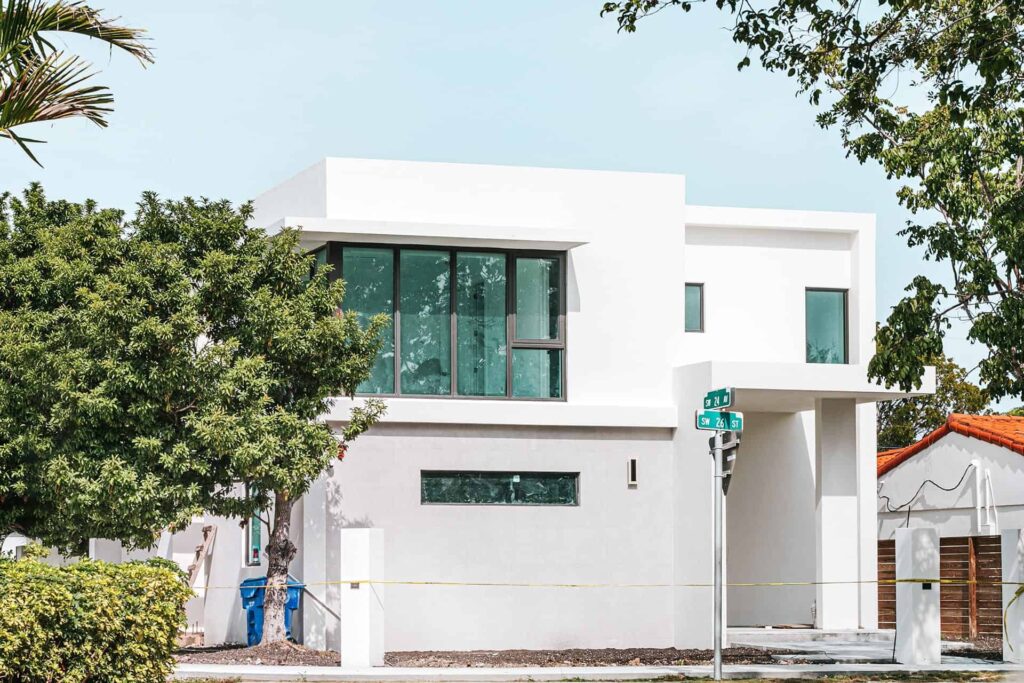
Skipped prep work is the second leading cause of exterior paint peeling within two years of application. Pressure washing alone does not count as full prep, even though many low-bid contractors stop there. A proper prep includes scraping all loose paint down to a sound edge, sanding to feather the transition, and spot-priming every bare spot. Chalky surfaces need a bonding primer because new paint cannot grip the powdery residue left by old oxidized coatings. Glossy trim must be deglossed or sanded so the new coat has something to bite into. Each of these steps takes time, and time is the first thing rushed crews cut to hit a low price point.
Dirty surfaces are another common shortcut that leads to early exterior paint failure. Pollen, dust, mildew, and airborne grease from kitchen vents all build up on siding over the years. Paint applied over this layer bonds to the dirt rather than the substrate. When the dirt eventually washes away, the paint comes with it. Mildew is especially aggressive in shaded areas and behind shrubs in the Dallas metroplex. It must be killed with a proper cleaning solution, not just rinsed off, because mildew spores will continue to grow under the new paint film. A thorough wash followed by a full dry time of one to three days is the minimum standard for a lasting result.
Caulking and sealing gaps is the prep step most often skipped on quick repaints. Every seam, joint, and nail hole on an exterior should be filled with a high-quality elastomeric caulk before painting. Old caulk that has cracked or pulled away must be cut out and replaced, not just painted over. Painted-over failed caulk creates a hairline gap that wicks water straight into the wall cavity. Window frames, door trim, and corner boards are the most common failure points on Plano homes built in the past thirty years. A careful prep crew will spend nearly as much time on caulk and sealant as on the actual painting. That investment is what makes the difference between paint that lasts and paint that peels.
Wrong Paint Choice Makes Exterior Paint Peel Early
Choosing the wrong paint for the substrate is a silent cause of early exterior peeling that most homeowners never suspect. Not all exterior paints are formulated for the same surfaces or climates. A paint rated for cool, dry climates will not perform on a south-facing brick wall in Texas summer. Cheap builder-grade paints often lack the resin content needed to flex with the daily expansion and contraction of siding. When the substrate moves and the paint cannot stretch with it, the film cracks and peels. Premium acrylic latex formulas with high solids content are the workhorse choice for North Texas exteriors.
Mixing paint types creates a guaranteed peeling problem within a year or two. Latex paint applied directly over old oil-based paint without proper prep will not bond. The two chemistries simply do not stick to each other under heat stress. A bonding primer is required as a bridge coat between the two systems. The same problem happens when an interior-grade paint is used outside to save money. Interior paints lack the UV inhibitors and mildewcides that exterior formulas need to survive Plano weather. The savings disappear the first time the house has to be repainted three years early.
Color choice also plays a role in how long exterior paint lasts on a Texas home. Dark colors absorb significantly more heat than light colors, sometimes reaching surface temperatures above one hundred sixty degrees in summer. That extreme heat accelerates the breakdown of the paint film and softens the bond to the substrate. Quality paint manufacturers now offer infrared-reflective formulations in dark colors specifically for hot climates. Using one of these advanced products on a deep navy or charcoal exterior can add years to the life of the finish. A professional painter will steer you toward the right product for your color and exposure. The right paint matched to the right surface is what makes a finish last the full warranty period.
How to Prevent Exterior Paint From Peeling Two Years Early
Preventing early exterior paint peeling starts long before the first brushstroke. It begins with a careful inspection of the home, the surrounding landscape, and the existing coating. Most peeling problems can be predicted by walking the property and looking for warning signs. Spring in Plano is the ideal season for this inspection because the temperature is mild and the wood has had time to dry from winter rains. Homeowners who address the underlying issues first get paint jobs that last a full decade. Those who ignore the warning signs end up paying for the same job twice in five years.
Inspection Steps to Prevent Exterior Paint Peeling
A proper inspection to prevent exterior paint peeling starts at ground level and works up to the roofline. Walk the perimeter of the house and look for any siding within twelve inches of the soil, which is too close and traps moisture. Check every sprinkler head to see if it sprays the house instead of the lawn, and adjust the spray pattern accordingly. Look for dark streaks below windows, which indicate failed caulking and water intrusion. Examine the bottom edges of lap siding for cupping or warping, both signs of long-term moisture exposure. These ground-level findings determine the scope of repairs needed before any paint is purchased.
Mid-wall inspection focuses on the field of the siding and the trim around windows and doors. Run your hand across the surface to feel for chalking, which leaves a powdery residue on your palm. Press gently on suspect areas with a screwdriver to check for soft, rotted wood beneath the paint. Look at the caulk lines around every penetration in the wall, including hose bibs, vents, and electrical fixtures. Cracked or missing caulk in any of these spots is a direct path for water to enter the wall. Mark every problem area with painter’s tape so nothing gets missed during the prep phase. A thorough mid-wall inspection often reveals two or three times more repair work than a homeowner initially expected.
Upper-wall and roofline inspection requires a ladder or a good pair of binoculars. Check the fascia boards for any signs of peeling or paint lift, since these are the first surfaces to fail from roof leaks. Look at the soffit vents to make sure they are clear and functioning, because blocked vents trap moisture in the attic and push it back through the walls. Inspect the gutters for sags, leaks, or overflow stains running down the siding below. Examine any roof flashing that meets a vertical wall, as failed flashing sends water directly behind the siding. A complete top-to-bottom inspection takes about an hour on an average Plano home and saves thousands of dollars in callbacks.
Proper Prep Work to Prevent Exterior Paint Peeling
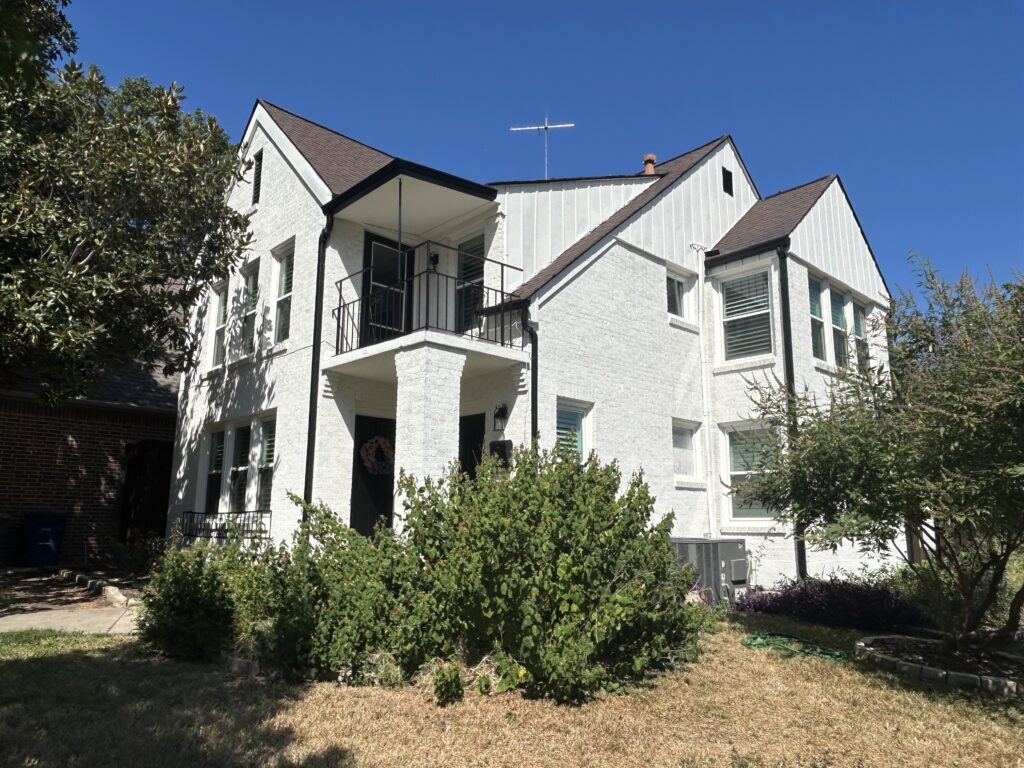
Proper prep work to prevent exterior paint peeling follows a strict sequence that cannot be rearranged or shortened. The first step is always a thorough pressure wash with the right cleaning solution for the substrate. This removes dirt, mildew, chalk, and loose paint from the entire exterior surface. The wash must be done from top to bottom and rinsed thoroughly to avoid streaks. After washing, the home needs at least twenty-four to seventy-two hours to dry completely depending on humidity. Painting over a damp surface is one of the fastest ways to guarantee early peeling.
Scraping and sanding is the next critical phase of prep work. Every loose or flaking area must be scraped back to a firm edge where the remaining paint is fully bonded. The scraped edges then need to be feathered with sandpaper so the transition is smooth and invisible under the new coat. Glossy surfaces like trim and doors should be lightly sanded to break the sheen and create mechanical adhesion. Bare wood that is exposed by scraping needs spot priming with a high-quality stain-blocking primer before topcoating. Skipping the spot prime means tannins and stains will bleed through the new paint within months. This phase is labor-intensive and is the most common place where corners get cut by low-bid contractors.
Caulking and sealing is the final prep step before any paint goes on the house. Every gap, seam, and joint on the exterior should be filled with a high-quality paintable caulk rated for exterior use. Old failed caulk must be cut out and removed, not just painted over or covered with new caulk. Pay special attention to the joints around windows, doors, corner boards, and any roof-to-wall transitions. A bead of caulk should be smooth, continuous, and pressed firmly into the gap to prevent water entry. Allow the caulk to cure for the manufacturer’s recommended time before painting, usually one to twenty-four hours. Done correctly, this step alone can add three to five years to the life of an exterior paint job. Need a thorough prep job done right? Click here for our exterior painting service.
Quality Materials to Prevent Exterior Paint Peeling
Quality materials are the final line of defense against early exterior paint peeling on a Texas home. The primer choice is just as important as the topcoat and often more so. A premium bonding primer creates a chemical bridge between the old surface and the new paint, locking everything together. Stain-blocking primers prevent tannin bleed-through on cedar, redwood, and knotty wood substrates. Galvanized metal primers are required for any flashing, vents, or metal trim on the exterior. Using the wrong primer or skipping primer entirely is a common shortcut that leads to peeling within eighteen months.
The topcoat selection should match the substrate, the exposure, and the climate of North Texas. One hundred percent acrylic latex paints are the standard for residential exteriors in the Dallas area. These paints flex with seasonal movement, resist UV breakdown, and breathe enough to release minor moisture without blistering. Look for products with high-volume solids, which means more pigment and resin per gallon and a thicker dry film. Two coats are always better than one, even on a color-match repaint, because the second coat builds the film thickness needed for a full warranty. Cheaper paints save fifty dollars per gallon but cost thousands when they fail early.
Caulk and sealant choices round out the materials list for a long-lasting exterior paint job. Use a high-grade siliconized acrylic or polyurethane caulk rated for at least fifty years of exterior service. Cheap painter’s caulk shrinks, cracks, and pulls away from the substrate within two seasons of installation. Specialty sealants are needed for specific areas like roof-to-wall transitions and around dissimilar materials. Investing in better caulk adds only a small amount to the total project cost but dramatically extends the life of the paint film. A professional painter will specify the exact products being used in the written estimate. Transparent material specs are a sign that the contractor stands behind the work for the long haul.
Why You Need a Professional for Long-Lasting Exterior Paint
Exterior painting in Plano is far more than a weekend project with a roller and a ladder. The combination of intense UV, sudden storms, and large temperature swings creates conditions that punish any shortcut. A professional crew brings the inspection skills, prep tools, and product knowledge needed to get a full ten-year result. Hiring the right painter is the single biggest factor in how long your next paint job will last. The cost of doing it right is always less than the cost of doing it twice.
Professional Inspection Catches Hidden Exterior Paint Peeling Causes
A professional inspection catches the hidden causes of exterior paint peeling that homeowners almost always miss. Trained painters know exactly where to look for moisture intrusion, failed caulk, and substrate damage. They use moisture meters, pin gauges, and trained eyes to read the patterns of past failures. This level of inspection takes time and experience that no DIY effort can match. The findings shape the scope of work and the warranty offered on the finished project.
Professional painters also identify problems that go beyond the paint itself. Rotted trim, failed flashing, blocked weep holes, and bad grading all show up during a careful inspection. These issues need to be fixed by the right trade before painting can succeed. A good painter will tell you when something is outside the scope of paint and recommend the right fix. That honesty saves homeowners from paying for a paint job that was doomed before it started. The inspection is the foundation that everything else is built on.
The written estimate from a professional inspection should detail every finding and every step of the planned work. Vague proposals with line items like “prep and paint exterior” are a red flag for shortcuts. A detailed scope shows exactly what will be scraped, caulked, primed, and coated. It also lists the specific products being used and the warranty being offered. Compare two estimates side by side and the difference between a thorough and a rushed approach becomes obvious. Pay for the inspection that gets it right the first time.
Professional Prep Work Prevents Exterior Paint Peeling
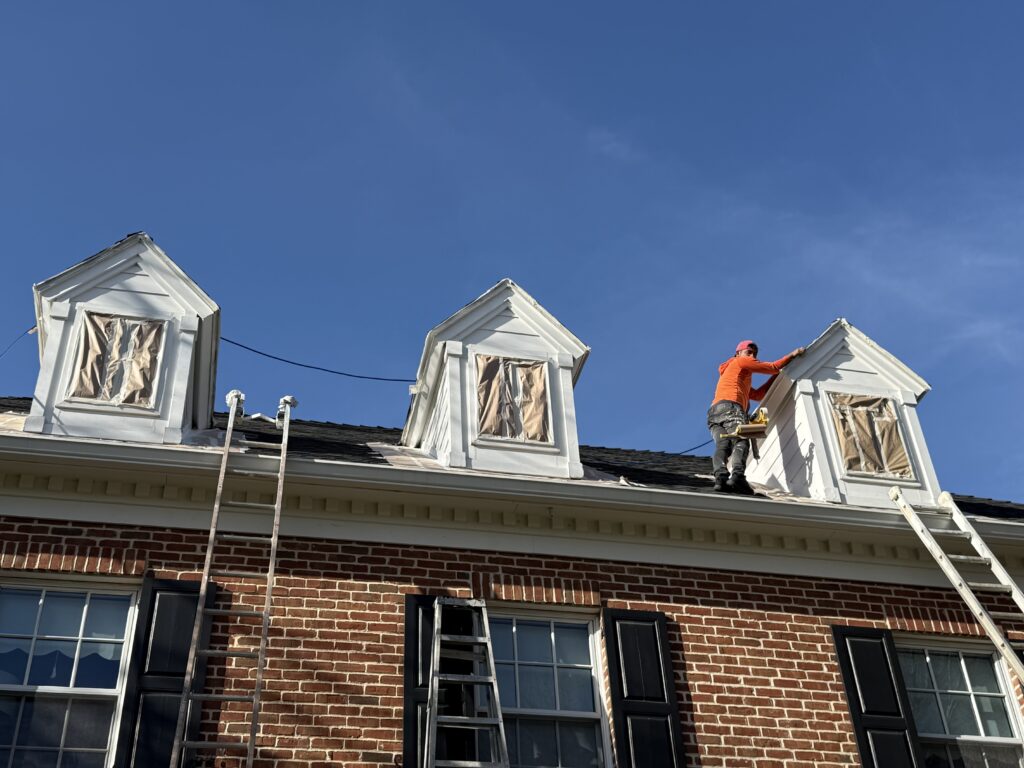
Professional prep work is what separates a paint job that lasts a decade from one that fails in two years. Crews that paint full-time have the equipment to wash, scrape, sand, and prime efficiently. They know how long each step takes and how long the surface needs to dry between steps. This rhythm is impossible to replicate on a single weekend with rented tools. The result is a substrate that is genuinely ready to accept and hold a new paint film.
Trained crews also know the small details that make a big difference in longevity. They feather scraped edges, spot-prime every bare spot, and back-roll sprayed coats to push the paint into the substrate. They use the right tip on the sprayer, the right nap on the roller, and the right brush for cut-in work. They watch the temperature and humidity all day to make sure conditions stay within the paint manufacturer’s specifications. Each of these small choices compounds into a finish that holds up for years longer than a rushed job. Experience is the difference, and it shows in every square foot of the result.
Cleanliness and respect for the property are also part of professional prep. A good crew protects landscaping, covers windows and hardware, and cleans up daily. They communicate the schedule clearly so homeowners know what to expect each day. They show up on time, work consistent hours, and leave the property in better condition than they found it. This level of professionalism is what homeowners pay for when they hire a real painting company. It is not a luxury, it is the standard for any job worth doing.
Why Choose Venture Painting for Exterior Paint That Will Not Peel
Venture Painting is owned and operated by Zeb Van Pelt, a local Plano resident who treats every home like his own. We take ethos seriously, which means we tell homeowners the truth about what their house needs even when it is not what they want to hear. Our crews are clean, organized, and respectful of your property from the first day to the last. We provide free estimates with clear, honest pricing and a written scope that details every step of the work. Our specialty is interior and exterior painting done right the first time.
We serve Plano, Addison, Allen, Murphy, Parker, Richardson, and Sachse with a focus on high-value communities that demand quality work. Our prep process is detailed, deliberate, and built around the specific challenges of North Texas weather. We use premium materials matched to your substrate, your color, and your exposure. Every job is backed by a warranty that we actually stand behind, because we plan to be here for the long haul. The friendly, professional team you meet at the estimate is the same team you see on the job site.
If your exterior paint is peeling early or you are planning a fresh exterior paint job before summer hits, now is the time to call. Spring conditions in Plano are ideal for a thorough wash, full dry time, and a clean application. Waiting until July means painting in extreme heat that limits the working window to early morning hours. Schedule your free estimate today and find out what a real prep job looks like before the next coat goes on. Click here for our exterior painting service or visit venturepaintingdfw.com to get started. Your home deserves a paint job that lasts.