

Drywall Cracks That Show Up Every Spring: What Your House Is Actually Telling You
Spring in Plano brings warmer days, blooming yards, and a frustrating annual surprise for many homeowners. Cracks start showing up along ceiling corners, above doorframes, and down the seams of walls that looked perfectly fine in February. These cracks are not random, and they are not always cosmetic. Your house shifts with the seasons, and the drywall is often the first place that movement becomes visible. Texas soil expands after spring rains and contracts during dry stretches, which puts steady pressure on your home’s frame. Understanding what causes these cracks helps you decide what needs a quick patch and what needs a deeper look. The good news is that most spring drywall cracks are manageable with the right repair and repaint approach.
Why Spring Drywall Cracks Appear in Plano Homes Every Year
Spring drywall cracks have a clear pattern in North Texas, and the cause usually traces back to soil movement under your foundation. Plano sits on expansive clay soil, which swells when wet and shrinks when dry. After winter dryness gives way to spring rain, the ground lifts unevenly, nudging your slab and framing. Wood framing also reacts to seasonal humidity changes, swelling slightly as moisture rises. Drywall is rigid, so when the structure behind it flexes even a little, the seams give first. That is why so many Plano homeowners notice cracks during the same few weeks every spring.
Why Spring Drywall Cracks Appear Above Doors and Windows
Doorways and window frames are weak points in any wall, and they are usually the first places spring drywall cracks appear. The header above a door or window carries a load, and the drywall around it is cut, taped, and floated to create a smooth finish. When seasonal movement hits, that floated joint flexes more than the surrounding wall. You will often see a clean diagonal crack running from the top corner of a doorframe upward toward the ceiling. These are sometimes called stress cracks, and they tend to return in the same spot year after year. A simple patch will hide them for a season, but the underlying movement keeps coming back.
The fix for these cracks involves more than smearing on a coat of mud. A lasting repair starts with cutting out the loose tape, re-taping the joint with mesh or paper, and floating it with multiple thin coats of compound. Sanding has to be smooth enough that the patch disappears under paint, especially in good lighting. Primer is essential because fresh drywall mud absorbs paint differently than the surrounding wall. Skipping primer almost always leaves a visible flash spot once the topcoat dries. A skilled crew will feather the repair wide enough that the texture blends into the original finish.
Color matching is the final piece, and it trips up most do-it-yourself attempts. Paint fades over time, even indoors, so the can sitting in your garage from three years ago will not perfectly match your wall today. The safest approach is to repaint the entire wall corner to corner, which keeps the finish uniform under any lighting. If your trim color has yellowed or your ceiling has aged, a small touch-up will stand out. For a clean, professional result, our interior painting service handles the full repair and repaint in one visit.
Why Spring Drywall Cracks Appear Along Ceiling Seams
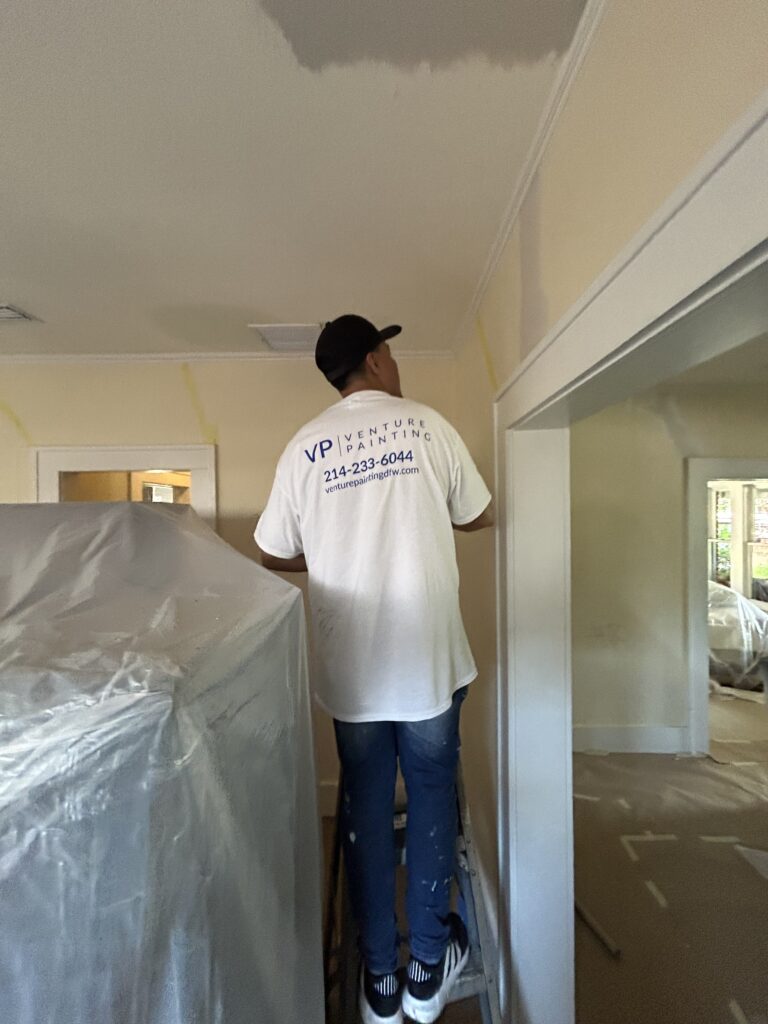
Ceiling cracks tend to scare homeowners more than wall cracks, but most of them follow the same seasonal pattern. The long horizontal lines you see across a ceiling are usually drywall seams where two sheets meet. Trusses in the attic move up and down slightly with temperature and humidity changes, a phenomenon called truss uplift. In spring, as attic conditions shift, that movement opens hairline gaps along the seam. The crack often closes back up by summer, only to reopen the following year. This is normal in many North Texas homes and rarely points to a serious structural problem.
Repairing ceiling seams takes patience because gravity works against you the entire time. The crack needs to be widened slightly with a utility knife, cleared of loose debris, and filled with a flexible joint compound. Mesh tape adds strength across the seam and helps resist future movement. Two or three thin coats blend better than one thick coat, which tends to crack again as it dries. Texture matching is the trickiest part of any ceiling repair because most ceilings have knockdown, orange peel, or popcorn finishes. A blown-on or hand-applied texture has to match the surrounding pattern closely, or the patch will catch every shadow.
Painting a repaired ceiling almost always means painting the whole ceiling. Spot painting on a ceiling shows up immediately because the angle of light highlights even slight differences in sheen. Flat ceiling paint helps hide minor imperfections, but a fresh coat across the entire surface gives the cleanest result. If you have water staining from past leaks, a stain-blocking primer prevents the discoloration from bleeding through. Plano homeowners who want the job done right the first time can rely on a professional crew with the right tools, lifts, and finish skills.
Why Spring Drywall Cracks Appear Near Garage and Exterior Walls
Cracks along garage walls and exterior-facing interior walls have their own story. These walls sit closest to the temperature swings outside, and they tie directly into the parts of your slab that move most. As spring rain saturates the soil around your foundation, the perimeter of your slab can lift slightly while the center stays put. That differential movement shows up as cracks on walls that share a corner with the outside of the house. You may also notice tiny gaps where baseboards meet the wall or where crown molding pulls away from the ceiling.
Repairing these cracks is similar to other drywall fixes, but the prep work matters even more. Loose paint along the crack should be scraped, the surface should be lightly sanded, and any dust must be wiped away before mud goes on. Caulking is sometimes the better choice for cracks where wood trim meets drywall, since caulk flexes with seasonal movement. A paintable acrylic-latex caulk holds up well and accepts paint cleanly. For wider cracks, mesh tape and joint compound do a better job of bridging the gap. Skipping these prep steps almost guarantees the crack returns by next spring.
The paint finish you choose also affects how well the repair holds up. Higher-sheen paints, like satin or semi-gloss, highlight every imperfection, so the surface needs to be smooth and properly primed. Flat or matte finishes forgive minor texture differences and are often a smart choice for high-movement areas. If you want the repair to last, addressing the underlying issue matters too, which can include better gutter drainage and consistent watering around the foundation. For homes in Plano and the surrounding communities, a professional repair crew can spot the early signs and recommend lasting solutions.
What to Do When Drywall Cracks Keep Coming Back Every Spring
When the same drywall cracks show up year after year, patching alone will not solve the problem. Recurring cracks usually mean the movement behind the wall is consistent enough to overcome a standard repair. The fix has to flex with the wall, or the underlying cause has to be addressed. In some cases, a foundation issue is at play, and a structural professional should take a look first. In most cases, though, the right combination of materials and technique can outlast the seasonal movement. A professional painter who handles drywall repair daily knows which products and methods give the best chance of a lasting fix.
How to Permanently Repair Recurring Spring Drywall Cracks
Permanent repairs start with the right tape. Paper tape is strong but rigid, while fiberglass mesh tape allows a small amount of flex. For high-movement areas, some pros use a flexible patching product designed specifically for stress cracks. Embedding tape correctly takes practice because air bubbles or thin spots create weak points that crack again quickly. The compound has to be feathered out at least six to eight inches on each side of the crack so the repair blends invisibly. Multiple thin coats sand down cleaner than one thick coat and give a stronger final surface.
Priming is where many do-it-yourself repairs fall apart. Bare drywall mud is porous and pulls moisture out of paint at a different rate than the painted wall around it. Without primer, the patched area shows up as a dull spot under any topcoat, especially in side lighting. A quality drywall primer seals the repair and creates a uniform surface for paint. Some painters also use a high-build primer to help hide texture differences from the patch. The extra step adds time but pays off in a finish that looks like the rest of the wall.
Texture matching is the final challenge for any recurring crack repair. Plano homes commonly have knockdown or orange peel texture, and matching either takes practice and the right tools. A small aerosol texture can works for tiny patches, but larger repairs need a hopper gun or hand-applied technique. The texture must dry fully before priming, or the finish will crack as it cures. Once the texture is set, primer and two coats of paint complete the job. Our drywall repair service covers every step from cut-out to final coat for a seamless result.
When Spring Drywall Cracks Signal a Bigger Foundation Issue
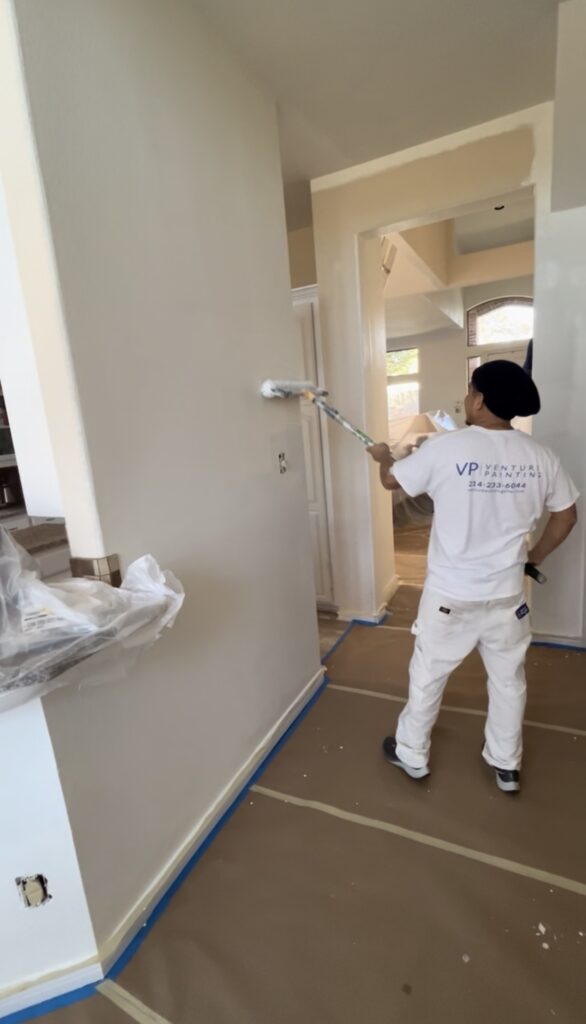
Most drywall cracks are cosmetic, but some patterns point to something more serious. Stair-step cracks in brick exteriors, doors that suddenly stick, and large gaps between walls and ceilings can all suggest foundation movement beyond normal seasonal shifts. If a crack is wider than a quarter inch, runs at a strange angle across multiple walls, or keeps growing each year, it deserves a professional look. A structural engineer or foundation specialist can measure elevation changes and determine if the slab needs attention. Catching foundation issues early often saves significant money compared to waiting until the damage spreads.
Painters and drywall pros often spot the warning signs before homeowners do. Cracks that reopen within weeks of repair, doors that no longer latch, and visible separation in trim are all clues. A good painting contractor will tell you honestly when a repair is worth doing and when you should call a foundation expert first. There is no value in repainting a wall that will crack again in three months because the slab is still settling. Honest pricing and clear communication matter more than rushing into a fix that will not hold.
After foundation work is complete, drywall and paint repair is usually the final step in restoring the home. Foundation repair often causes additional cracking as the slab is leveled, which is normal and expected. Waiting a few weeks after the foundation work allows the structure to settle into its new position before drywall repairs begin. A skilled crew can then patch, texture, and repaint to make the home look new again. Homeowners across Plano and nearby communities often need this kind of finish work after structural projects.
How to Prevent Spring Drywall Cracks Before They Start
Prevention is more practical than most homeowners realize. Maintaining consistent moisture around your foundation is one of the simplest ways to reduce seasonal cracking. Soaker hoses placed about a foot from the slab and run on a regular schedule keep the soil from drying out completely in summer or swelling too much in spring. Clean gutters and proper downspout extensions move water away from the foundation instead of letting it pool. Trees planted too close to the house pull moisture from the soil and can worsen movement, so monitoring root growth matters too.
Indoor humidity also plays a role in drywall behavior. Large swings between dry winter air and humid spring conditions cause framing to move more than necessary. Running a humidifier in winter or a dehumidifier in spring can keep indoor moisture in a steadier range. Sealing gaps around windows, doors, and attic openings reduces the amount of outside air that reaches your wall cavities. The smaller the moisture swing, the less your drywall has to absorb seasonal stress.
Annual touch-ups also help small cracks from becoming large ones. Caulking trim joints, repainting high-stress areas, and addressing hairline cracks before they widen are all simple maintenance steps. A professional painting crew can handle these touch-ups quickly during a regular maintenance visit. Catching issues early keeps repair costs low and protects the long-term appearance of your home. Spending a little time on prevention each year saves real money on bigger repairs down the road.
Why You Need Professional Drywall Repair and Painting This Spring
Spring drywall cracks are a normal part of owning a home in North Texas, but they do not have to take over your weekends. A professional crew can repair, texture, and repaint with results that hold up far longer than a rushed do-it-yourself attempt. The right materials, the right techniques, and the right finishing touches make all the difference. If your home is showing the seasonal cracks that come with Plano weather, now is the right time to get them handled before they widen. Honest pricing, clear communication, and respectful crews make the process simple from start to finish.
How a Professional Crew Repairs Spring Drywall Cracks the Right Way
A professional crew starts every job with a thorough walk-through to identify each crack and the likely cause behind it. This step matters because not every crack gets the same treatment. Stress cracks above doors need flexible tape, while hairline ceiling cracks need careful texture matching. Once the plan is set, the crew protects floors and furniture with drop cloths and plastic before any sanding begins. Dust control is part of the job, especially in homes where families want to stay during the work.
The repair itself follows a clear process: cut, tape, mud, sand, prime, texture, and paint. Each step gets the time it needs to dry fully so the final result lasts. Cutting corners on dry time leads to cracks reopening within weeks. A crew that does this work daily knows exactly how long each layer needs and what the finish should look like at every stage. The result is a wall that looks like the crack was never there.
Cleanup is part of the job, too. A professional crew removes dust, picks up tape and debris, and leaves the home as clean as they found it. Respect for your space is part of the service, and it sets a quality crew apart from a quick patch job. Our interior painting team handles every step with care from first walk-through to final cleanup.
How Spring Drywall Repairs Protect Your Home’s Long-Term Value
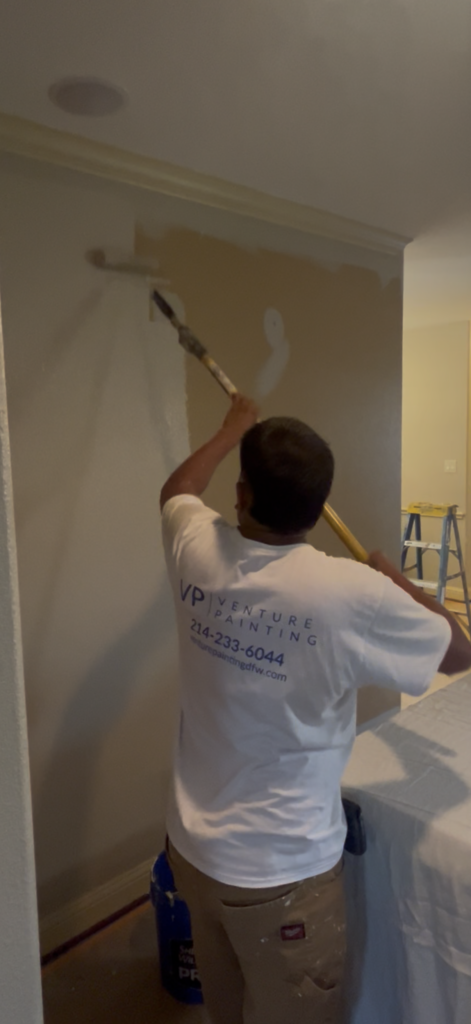
Small repairs add up to long-term value in a home. A wall with visible cracks tells buyers and guests that maintenance has slipped, even if the rest of the house is in great shape. Fresh drywall and paint give a home a clean, cared-for feel that supports resale value and daily enjoyment. Addressing cracks early also prevents larger issues like moisture intrusion, which can lead to mold or wood rot inside walls. The cost of a small repair is always less than the cost of fixing the damage that comes from ignoring it.
Paint quality matters as much as drywall quality when it comes to long-term value. A top-tier paint with the right primer holds up to cleaning, sunlight, and seasonal humidity better than a budget product. Color choices also play a role, and lighter, neutral tones tend to age better and appeal to more buyers. A professional crew can guide you toward finishes and shades that fit your home and your goals. The right combination of repair and finish can transform a tired room into a fresh space.
Regular maintenance also extends the life of every paint job in the home. Touching up scuffs, repainting high-traffic areas, and refinishing cabinets every few years keep the home looking modern. A trusted painting partner can build a maintenance plan that fits your schedule and budget. Homeowners who invest in steady upkeep almost always spend less than those who wait for major projects.
Why Choose Venture Painting for Spring Drywall Repair in Plano
Venture Painting is owned and operated by Zeb Van Pelt, and the company is built on a simple promise: detailed prep work, clean and respectful crews, and clear pricing from the first estimate. We specialize in interior and exterior painting along with drywall repair, cabinet refinishing, fence staining, and commercial painting. Our team works in Plano, Addison, Allen, Murphy, Parker, Richardson, and Sachse, and we treat every home with the care we would give our own. Free estimates are always part of the process so you know exactly what to expect.
Our crews are friendly, professional, and trained to deliver lasting results. We take prep work seriously because the quality of the prep determines the quality of the finish. Drop cloths go down, surfaces get cleaned, and every crack gets the right treatment for its cause. We do not rush jobs, and we do not leave a worksite messy at the end of the day. Every project is built around honest communication so you always know what is happening in your home.
If you are seeing spring drywall cracks in your Plano home, we are ready to help. Call us for a free estimate and find out how easy a professional repair can be. Visit our website to learn more about our services and our team. Spring is the right time to handle these repairs before they grow, and Venture Painting is here to make the process simple, clean, and lasting.